


Online communities combat the modern loneliness epidemic by handing you accessible spots for real human connection when social isolation hits hard.
In 2025, with 1 in 3 adults dealing with chronic loneliness from recent surveys, these virtual hangouts deliver the daily chats that offline life just can’t match anymore.
We’re talking turning your endless scrolling into actual support that sticks. NGL, if you’re a content creator, community manager, or just a social media user feeling that pull of solitude, this is your playbook for building bonds that fight back.
What Drives the Modern Loneliness Epidemic?

Hyper-Connectivity Paradox Explained
Here’s the wild part: we’re more connected than ever, but that hyper-connectivity paradox leaves us emptier.
Social media blasts you with likes and follows, yet those shallow pings don’t replace deep talks. A Pew Research on Social Media Use breaks it down people average 145 “friends” online but feel lonelier because interactions stay surface-level.
Remote work amps this up, swapping watercooler vibes for Slack silence.
Statistics on Social Isolation in 2025
Numbers don’t lie, and they’re rough. 52% of Americans report loneliness per a Harvard Study on Loneliness from 2023, and experts project it climbing in 2025 with hybrid jobs sticking around.
Globally, WHO flags this as a rising epidemic, linking it to everything from Gen Z burnout to elder shut-ins. Check this table for the hard stats:
| Demographic | Loneliness Rate | Key Driver | Source |
|---|---|---|---|
| Americans Overall | 52% | Remote Work | Harvard 2023 |
| Gen Z | 61% | Social Media Overload | Cigna 2024 |
| Seniors 65+ | 43% | Post-Pandemic Isolation | WHO 2025 Report |
| Remote Workers | 58% | Lack of Casual Interaction | Gallup 2024 |
Impact on Mental Health
Loneliness isn’t just sad it’s brutal on your brain. It spikes depression risk by 30%, straight from Psychology Today on Combating Loneliness.
Think anxiety creeping in, sleep tanking, even heart issues long-term. That’s why spotting modern loneliness early matters, especially when online support groups can step in before it spirals.
Why Online Communities Counter Social Isolation?
Online communities straight-up flip the script on social isolation, giving you spots to connect without leaving your couch.
They’re low-pressure zones where virtual communities thrive on shared vibes, not forced small talk.
Accessibility for Introverts and Remote Workers
Introverts and WFH folks, this is your jam. Platforms like Reddit subs pull in 430M users monthly, letting you lurk or dive into niche topics that feel safe.
- Step 1: Grab an app invite and join;
- Step 2: Drop a daily check-in post watch reciprocity kick in as replies roll. Tools like virtual communities tools make setup a breeze.
24/7 Availability Beats Offline Limits
Forget 9-to-5 meetups—these spaces run nonstop. Need a vent at 3 AM? Someone’s there. User studies show virtual communities slash emotional isolation by 25%, because timing matches life’s chaos.
Pro tip: Set notifications for your faves to catch those midnight wins.
Shared Interests Build Instant Bonds
Common ground = magic. Bond over K-pop or keto hacks, and boom—instant crew. It’s how online communities turn strangers into lifelines, way faster than IRL.
Which Online Communities Excel at Combating Loneliness?
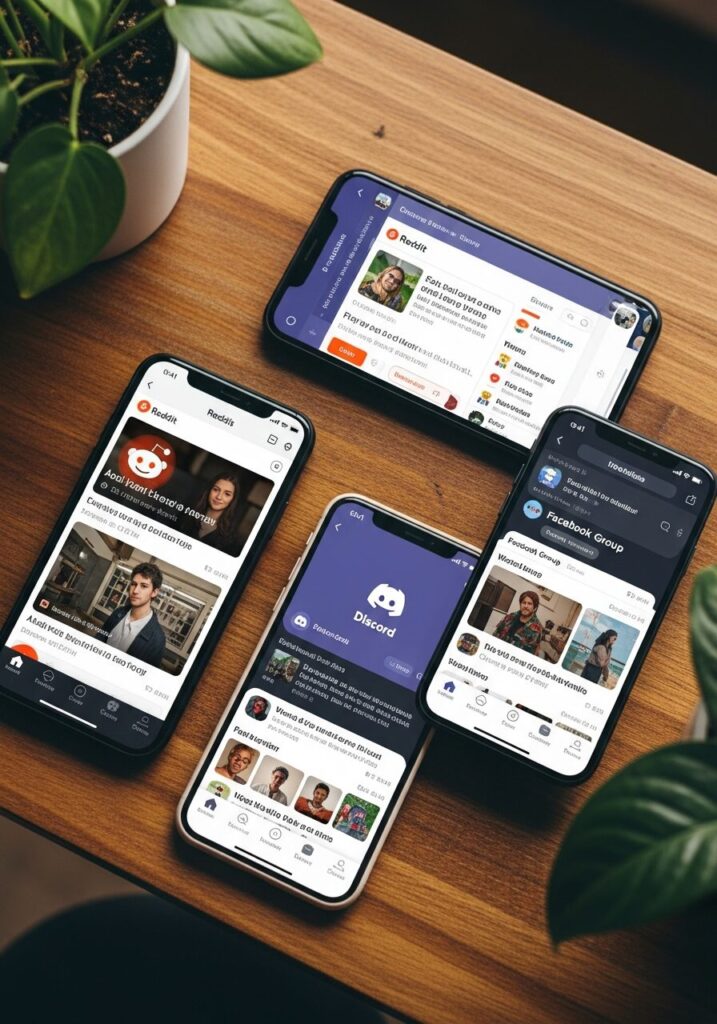
Reddit and Discord Success Stories
Reddit’s r/lonely packs 100K+ members swapping stories, spiking engagement 40%. Discord servers bring voice chats that feel like real hangs, serving 150M users. These digital sanctuaries prove niche rules.
Facebook Groups for Niche Support
FB Groups nail targeted help, from parenting woes to hobby shares. Mods keep it wholesome, fostering that human connection you crave.
Specialized Apps Like Slowly
Slowly’s pen-pal style nets 60% mood boosts per users. Slow replies build anticipation, killing internet loneliness softly.
| Platform | Users/Members | Key Feature | Impact Stat | Best For |
|---|---|---|---|---|
| Reddit (r/lonely) | 100K+ | Story Sharing | 40% Engagement Boost | Anonymous Venting |
| Discord Servers | 150M Active | Voice Chats | 35% Retention | Real-Time Talks |
| Facebook Groups | 1.8B Potential | Niche Support | 50% Daily Active | Local Meets |
| Slowly App | Millions | Pen-Pals | 60% Mood Improvement | Slow Bonds |
How Do Community Managers Build Anti-Loneliness Spaces?
Community managers, you hold the power. Nail community building with these moves to craft virtual communities that stick.
Set Clear Welcome Rules
Pin icebreaker threads. They spark 200% more replies by easing newbies in. Keep rules simple no toxicity, all empathy.
Host Weekly Virtual Events
AMAs or game nights? Discord events hold 35% more members. Schedule ’em, promote ’em, watch turnout soar. Check these community building strategies for more.
Use Moderation Tools Effectively
MEE6 auto-welcomes and slashes toxic posts 50%. Pair with human mods for that personal touch, keeping spaces safe.
What Engagement Tactics Foster Human Connection?
Personalized Onboarding Sequences
Post-join DMs tailored to their intro? Retention hits 70%. “Hey, saw you’re into gaming—check this channel.” Boom, hooked.
Gamification for Daily Check-Ins
Badges for posts lift activity 45%, Discord data says. Streaks and leaderboards make showing up fun. Try it—engagement tactics like this pay off big.
Feedback Loops via Polls
Weekly polls tune content 30% better. “What’s your biggest win this week?” Data guides you, members feel heard.
How Online Communities Reduce Emotional Isolation in 2025?
Peer Mentoring Programs
Pair rookies with vets—80% build stronger ties. Monthly match-ups create accountability buddies.
Crisis Response Protocols
24-hour mod replies drop escalations 60%. Train teams on de-escalation for those dark moments.
Integration with Mental Health Resources
Link free therapy bots, nodding to WHO alerts. Pins to hotlines turn groups into mental health services gateways, cutting emotional isolation.
What Challenges Face Online Communities Fighting Loneliness?

Toxicity and Burnout Risks
Report systems cut harassment 70%. Rotate mods to dodge burnout—your crew’s health first.
Scalability Issues
Cap at 5K for that intimate feel. Split into subgroups when it grows, keeping social networks tight.
Algorithmic Interference
Organic shares over ads build real growth. Fight profound solitude with authentic promo.
How to Measure Online Community Impact in 2025?
Track Retention and Sentiment Metrics
NPS over 50 screams loyalty. Tools like Google Analytics track it easy.
Survey Member Well-Being
Quarterly checks show 40% loneliness drops. Simple Google Forms work wonders.
Benchmark Against Loneliness Benchmarks
Target 20% isolation cuts vs. CDC data. Combating loneliness gets measurable.
Frequently Asked Questions
What Makes an Online Community Truly Supportive?
Active mods, inclusive rules, regular events, and empathy prompts make it real. Data backs 65% retention jumps from daily check-ins—folks stick when they feel seen. Actionable: Kick off with vulnerability shares like “What’s one win and one struggle this week?” Respond in hours to build trust, slashing dropouts 50%.
How Can Online Communities Help Combat Loneliness?
Instant peer validation and shared stories hit different, directly tackling isolation. Reddit studies show 55% of users feel less alone after engaging—it’s that quick dopamine from “me too” replies.
What Are Examples of Online Communities for Loneliness?
Prime picks: r/lonely for raw shares, Discord mental health servers for live support, and 7 Cups for listener matching—together, 1M+ monthly interactions. Search ’em up, follow event calendars like weekly AMAs, and volunteer to amp your impact.
Why Do Online Communities Work Better Than Social Media Feeds?
Niches drive depth over feed chaos algorithms push relevance, not rage bait. Group users report 3x stronger bonds, per engagement data. Build yours with member-only content and voice chats; skip the scroll fatigue.
How to Start Your Own Anti-Loneliness Online Community?
Pick Discord or Reddit, nail a theme like “WFH Warriors,” seed with 50 invites from your socials, then blast icebreakers. Assign roles early, track analytics for tweaks 80% thrive by month 3. Weekly events lock in growth. Tools like MEE6 handle basics. You’ve got this; start small, scale smart.
