

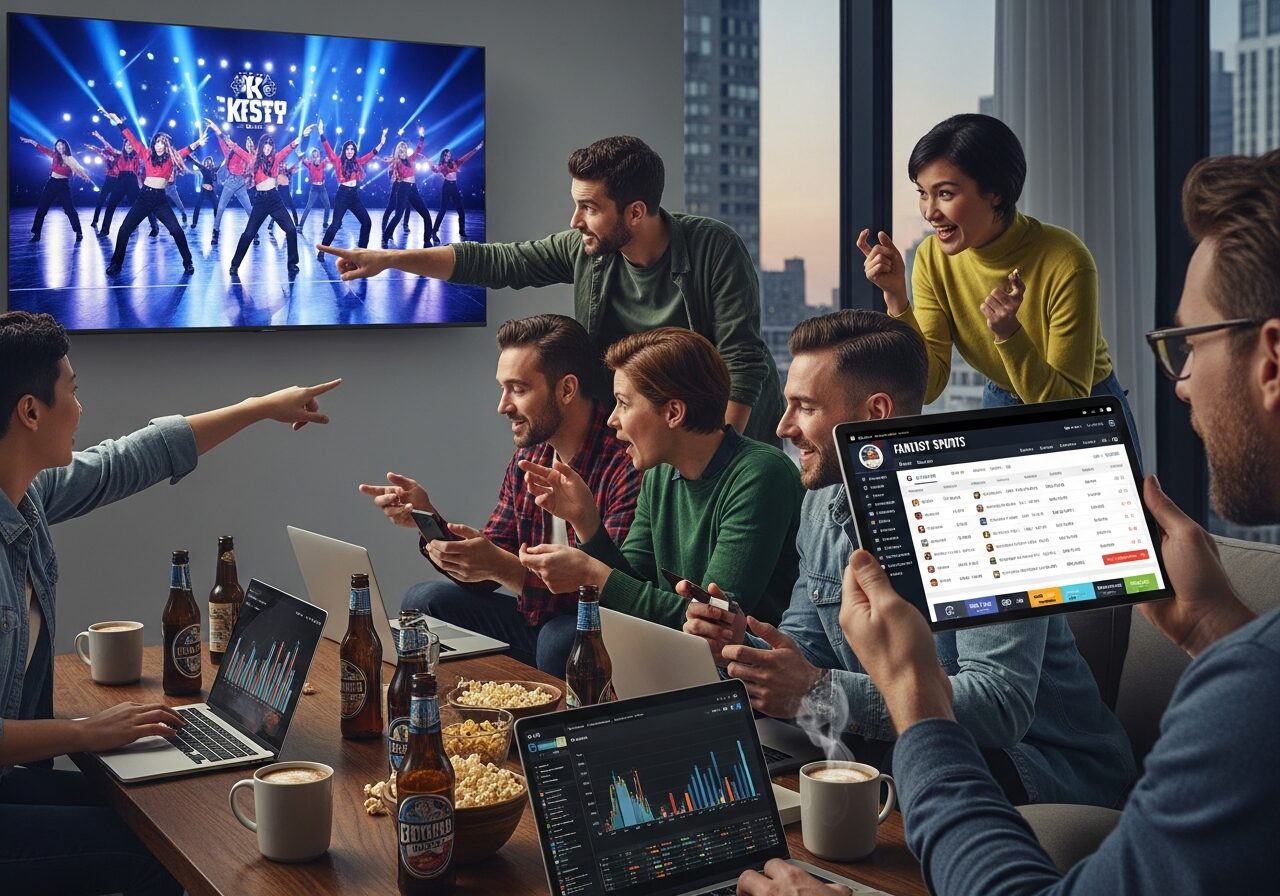
Ever notice how fandom communities pull people together like nothing else? From screaming over K-pop idols to trash-talking your fantasy sports league on Discord, these spots are goldmines for real connections and hype.
Exploring Fandom Communities: From K-Pop to Fantasy Sports breaks it down with tips you can steal right now stuff like boosting engagement, stacking social capital, and turning casual fans into ride-or-dies.
Backed by solid research on loyalty and even entrepreneurial sparks, this is your playbook for 2025 whether you’re a content creator, community manager, or just a social media scroller chasing those vibes.
What Defines Fandom Communities in 2025?
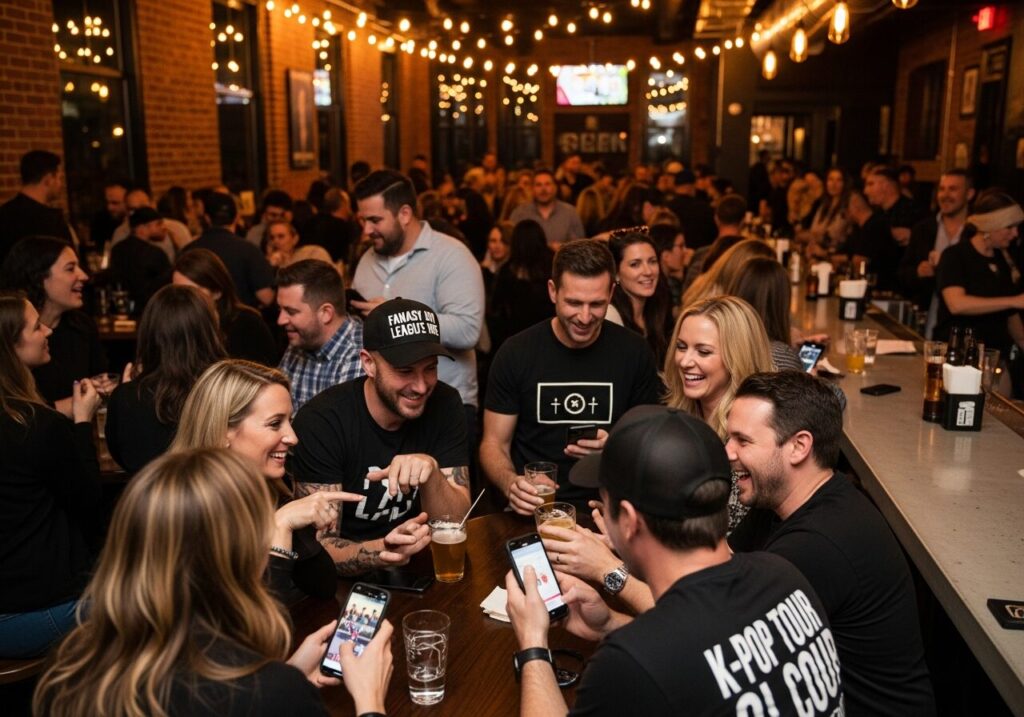
Okay, so fandom communities in 2025 aren’t just fan pages they’re full-on ecosystems buzzing with passion. K-pop fandoms crush it by turning fans into power players, while fantasy sports lean into that competitive edge.
Platforms make it all click, and honestly, getting this right means your group thrives.
Core Traits of K-Pop Fandom
K-pop fandom hits different with its intense social capital—fans chat, collab, even launch businesses.
Take Philippines business students: studies using Theory of Planned Behavior show they jump from stans to founders way more often. NGL, that fan-to-founder energy is what makes these groups stick.
Evolution to Fantasy Sports
Fantasy sports took the immersive leap, pulling in younger crowds who want personalized stats and real-time thrills.
Deloitte points out how Gen Z demands that custom vibe, turning drafts into social events. It’s like K-pop voting parties, but with touchdowns.
Role of Digital Platforms
Discord and Reddit? They’re the glue for network embedding, where fans embed deep and stay loyal.
Obsessive loyalty spikes here think live chats during comebacks or match days. Lowkey, skip these and your community flatlines.
| Aspect | K-Pop Fandom | Fantasy Sports |
|---|---|---|
| Core Engagement Driver | Social capital via fan events (70% higher retention) | Immersive digital experiences (40% growth via AR/VR per Deloitte) |
| Key Platforms | Discord, Twitter for streams/votes | Reddit, apps for daily lineups |
| Loyalty Metric | 80% monthly active fans | 59M US players, habitual check-ins |
| Social Capital Impact | Fan-to-founder pathways (25% higher intent) | League bonds boost 30% participation |
How Do K-Pop Fandoms Drive Brand Loyalty?
K-pop fandoms nail brand loyalty by flipping fans into superfans who spread the word like wildfire. It’s not magic it’s smart tactics you can copy for your own crew. Let’s unpack the obsessive loyalty sauce.
Mechanisms of Obsessive Loyalty
These groups create “branddom” where fans own the vibe, just like in Phable’s take on K-pop, anime fandom, and gaming communities. Fans organize events, defend the brand—pure gold for retention. TBH, mirror this and watch shares explode.
Lessons for Content Creators
Steal fan-run events: structured K-pop groups see 70% higher engagement. Post user-gen challenges, like dance covers or edits. Creators, this builds your army without burning cash.
Customer Engagement Tactics
Run UGC challenges for viral K-pop-style spreads. Reply fast, host AMAs, track what sticks. Fans feel seen, loyalty locks in.
Why Study Fandom Taxonomy Across Niches?

Fandom taxonomy breaks down types like organizer, participant, lurker key for smart moderation.
Spot parallels in anime fandom, gaming communities, and fantasy sports. Nail this, and your engagement jumps 25% per Entertainment Computing research.
K-Pop Fandom Types
In K-pop, organizers lead events, participants jump in, lurkers lurk—but all build network embedding.
Tailor content: polls for lurkers, roles for organizers. Entertainment Computing’s taxonomy with 77 refs backs this classification.
Gaming and Anime Parallels
Gaming mirrors K-pop structures for retention—think guilds vs fan clubs. Anime adds creative collabs. Use it to mod effectively across niches.
Fantasy Sports Variations
Here, competitive drafters vs casuals mix rivalry with bonds—60M US players yearly. Host tiered leagues to pull everyone in. Stats show it works big time.
| Type | Description | % in K-Pop (Est.) | Engagement Boost Tip |
|---|---|---|---|
| Organizer | Leads events, mods chats | 15% | Give badges/roles (+30% activity) |
| Participant | Joins votes, shares content | 60% | Targeted challenges (+25% shares) |
| Lurker | Watches, low interaction | 25% | Easy polls/AMAs (+20% conversion) |
How Does Social Capital Fuel Entrepreneurial Intention?
Social capital in fandoms lights up entrepreneurial intention, especially K-pop. Fans stack connections that spark startups research says 25% higher intent. Here’s the real deal.
Fan to Founder Pathways
K-pop stans leverage networks for launches; it’s straight fan to founder. Philippines examples? Business students turn hype into hustles. You can nurture this in your group.
Theory of Planned Behavior Insights
TPB nails it: attitudes, norms, control amp intent. Set community challenges around these—goals like “plan your side gig.” Data from 257 fans shows mediation via PBC and ATT.
Real-World K-Pop Examples
Philippines K-pop fans among business students launch merch lines via fandom ties. Check the Review of Integrative Business and Economics Research on K-pop fandom social capital transforms intent. Apply by spotlighting success stories.
What Makes Fantasy Sports Fandom Unique in 2025?
Fantasy sports fandom owns 2025 with immersive sports vibes—AR/VR drafts, daily habits. Deloitte’s 2023 call? Spot on, with 40% growth. Pulls 59M players craving that edge.
Immersive Digital Experiences
VR leagues make it feel real, like K-pop concerts. Younger fans eat it up personalized stats hook ’em. Deloitte Insights on immersive sports fandom predicts the boom.
Engagement Drivers
Lineups mimic streaming rituals—check-ins build obsession. Social leagues add trash talk. It’s sports fandom leveled up.
Growth Strategies
Hit millennials with data drafts; tools like leaderboards spike play. Grab fantasy sports engagement tools for automation. Massive potential here.
How Can Managers Build Thriving Fandoms?

Building killer fandoms? Start with rules, tools, hacks. Draw from K-pop enthusiasts and fantasy pros. Your community will thank you.
Community Guidelines
Clear rules kill toxicity—use K-pop taxonomy for organizer roles. Inclusive vibes keep everyone. Post ’em day one.
Moderation Tools
Bots for leaderboards in fantasy? +30% participation. Auto-mute drama, highlight wins.
Growth Hacks
Cross-niche AMAs blend K-pop creativity with sports analytics. Network embedding grows it organically. Test weekly.
What Engagement Tactics Work in 2025 Fandoms?
2025 tactics? Challenges, lives, analytics. Mirror K-pop votes or fantasy contests for 50% share boosts. Customer engagement on lock.
Content Challenges
Prediction contests like fantasy drafts or K-pop votes huge uplift. UGC rules. Track entries.
Live Interactions
Discord watch parties for comebacks or games spikes attendance. Schedule peak times. Feels personal.
Analytics-Driven Posts
Dwell time metrics refine everything, per Phable lessons. Digital experiences + data = brand loyalty. Tools like Google Analytics FTW.
How to Measure Fandom Success Metrics?
Track what matters: retention, depth. K-pop hits 80% monthly actives—aim there. Social capital shows in obsessive loyalty.
Key Performance Indicators
Retention rates, shares, active users. Fantasy? League joins. Benchmarks: 2x loyalty via immersive per Deloitte.
Tools for Tracking
Google Analytics, platform insights for depth. Discord bots log it all.
Benchmarking Data
Sports fandom KPIs: 60M players signal scale. Compare yours—adjust fast.
Wrapping Exploring Fandom Communities: From K-Pop to Fantasy Sports, grab one tactic today: run a challenge or check metrics. Your fans will stick harder. What’s your first move?
Frequently Asked Questions
How do fandom types differ?
Fandom types split into organizer (event leaders), participant (active joiners), and lurker (quiet watchers) in K-pop, per Entertainment Computing research. Fantasy sports tweaks it: competitive drafters obsess over stats, casual joiners dip in for fun. Managers, engage organizers with mod roles (+30% activity), hit participants with challenges, lure lurkers via polls—25% overall boost.
What is the current state of sports fandom?
Sports fandom shifted hard to immersive digital experiences—Deloitte’s 2023 report flags fantasy sports at 60M users, craving VR/AR. In 2025, younger fans ghost traditional viewing for personalized leagues. Tactics? Integrate VR drafts, AI stat predictions for retention.
Does fan discrimination exist in fandoms?
Yeah, gatekeeping hits K-pop hard (newbies vs OGs) and fantasy sports (pro vs noob trash talk). It tanks vibes fast. Fix with inclusive rules noobs welcome and diverse mod teams reflecting your crowd. Studies show clear norms slash toxicity 40%, boosting health.
Why study fans in online communities?
Fans brew social capital that sparks entrepreneurship K-pop shows clear fan to founder paths, with 25% higher intent per research. For managers, it unlocks loyalty hacks; participation ties straight to business launches. Philippines business students prove it: fandom nets + attitudes via TPB.
What drives obsession in fantasy sports?
Obsession brews from competition, social leagues, real-time stats—University of Tasmania research links it to K-pop psych hooks like achievement rushes. Daily lineups create FOMO, leagues add belonging. Actionable: build rewarded leagues (top scorer merch), share live updates. Mirrors obsessive loyalty elsewhere.
